CLARITY
Stories
•
December 10, 2025
Geoff Enwes has never seen a tree with crisp edges. Not without help, anyway. The Los Angeles photographer, who has lived with severe near-sightedness since early childhood, can tell you what a palm frond looks like up close—the fibrous texture, the waxy green—but ask him to describe one twenty feet away and the language shifts. It becomes glow. It becomes suggestion. The world, for Enwes, has always arrived as light first, shape second, detail last.
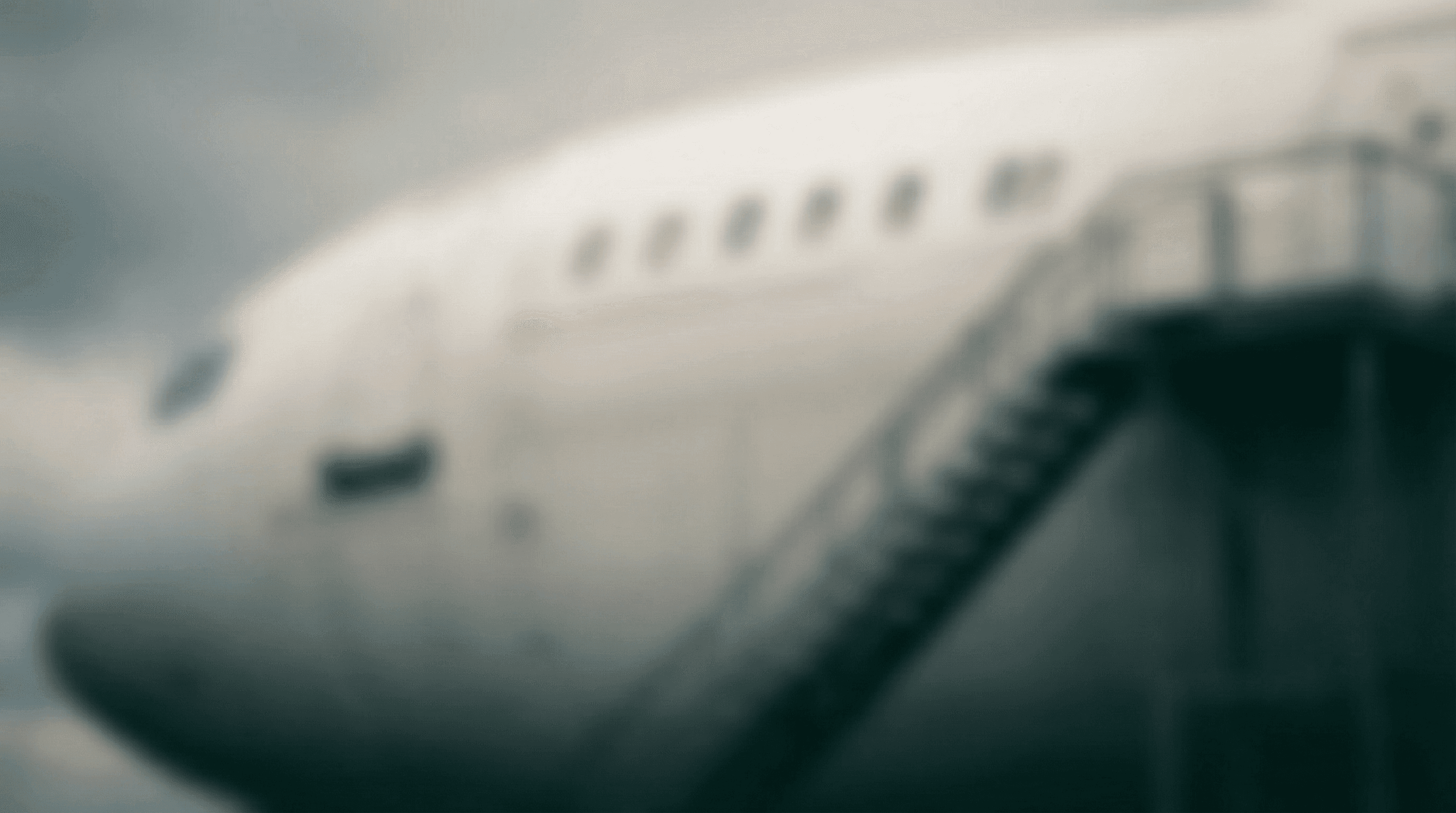
His project CLARITY documents exactly that: the world as it appears to him before correction. No glasses, no contacts, no post-production blur filters—just the optical reality of a body that refuses sharpness. What results is a series of photographs that feel both radically honest and quietly subversive. Subway platforms dissolve into fields of amber and shadow. Highway overpasses hover in soft geometry. City streets at dusk become studies in luminous uncertainty, headlights blooming like small suns, figures moving through space without ever fully resolving into faces.
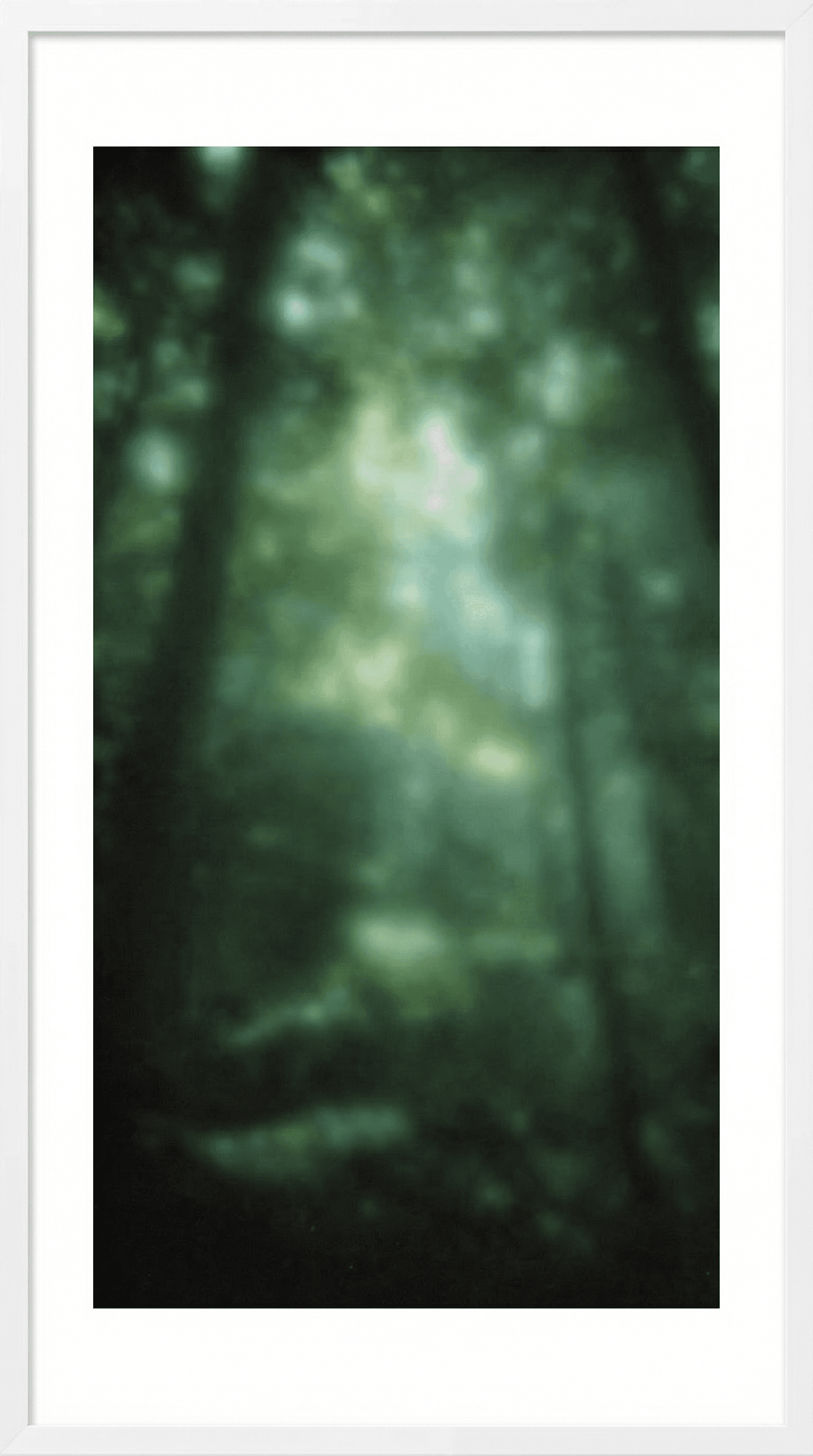
It's tempting to read these images as dreamy or romantic, but that would miss the point. Enwes isn't aestheticizing blur. He's translating a perceptual fact. For him, and for the millions of people who share his condition, this is the baseline. Sharpness is the intervention, not the other way around. "I spent most of my life assuming everyone saw what I saw," he says. "It wasn't until high school that I realized other people could read street signs from across the parking lot."
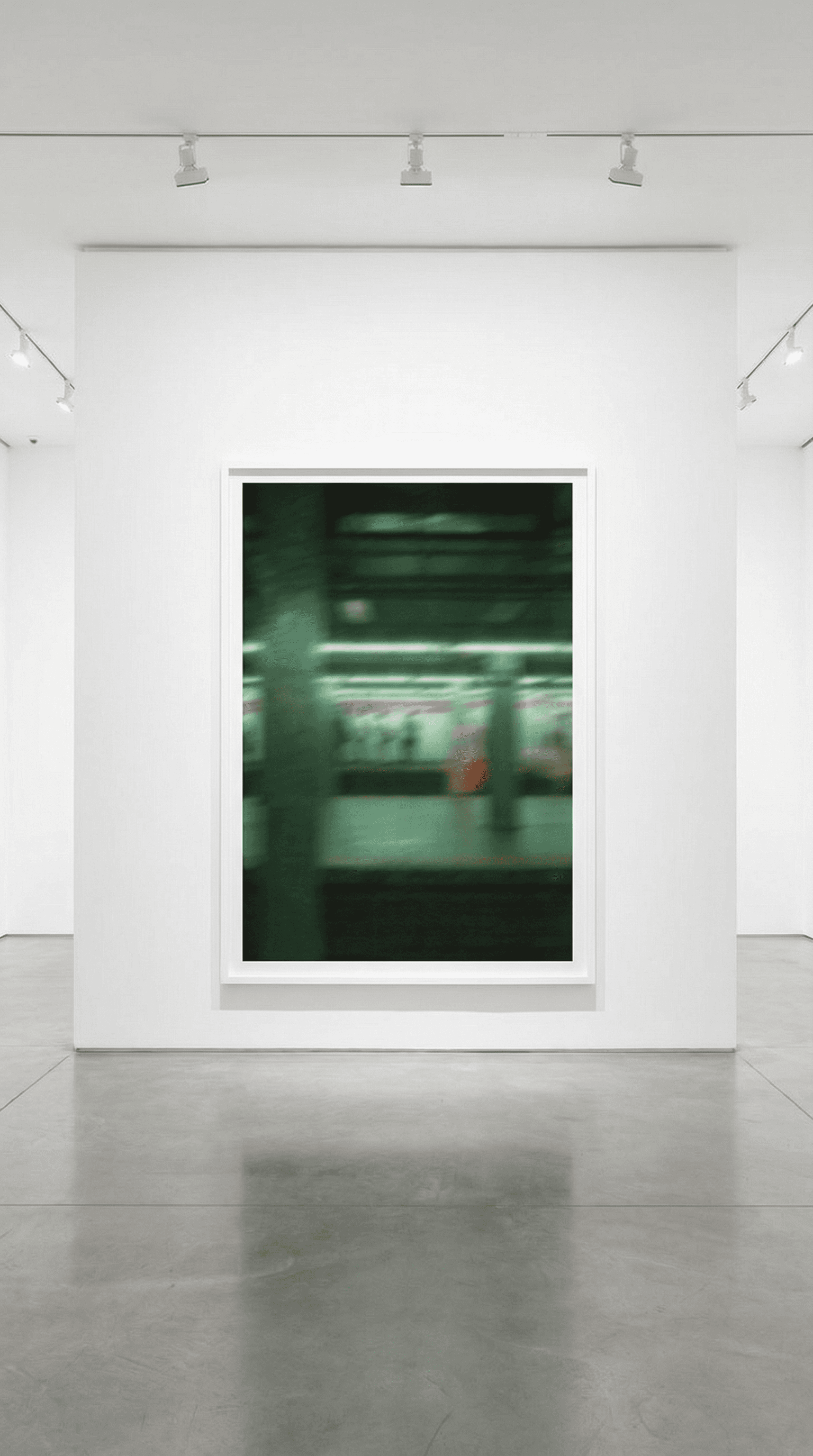
The work pushes against an assumption so embedded in modern life that we rarely notice it: that clarity is the default, that focus is the goal, that a world worth documenting must be rendered in high definition. Photography has long participated in this logic, rewarding precision, crispness, the hyperreal. Even when blur appears—motion blur, shallow depth of field—it's usually deployed as technique, a choice made in service of something sharper lurking elsewhere in the frame.
CLARITY offers no such anchor. Every image holds its softness all the way through. Distance doesn't snap into focus. Light doesn't sharpen. The effect is disorienting at first, then strangely clarifying. You realize how much visual energy you've been spending on the assumption of resolution—how much you've been waiting for the image to "arrive." When it doesn't, something else emerges: mood, atmosphere, the emotional texture of a place. A freeway becomes less about destination and more about motion. An interior becomes less about objects and more about presence.
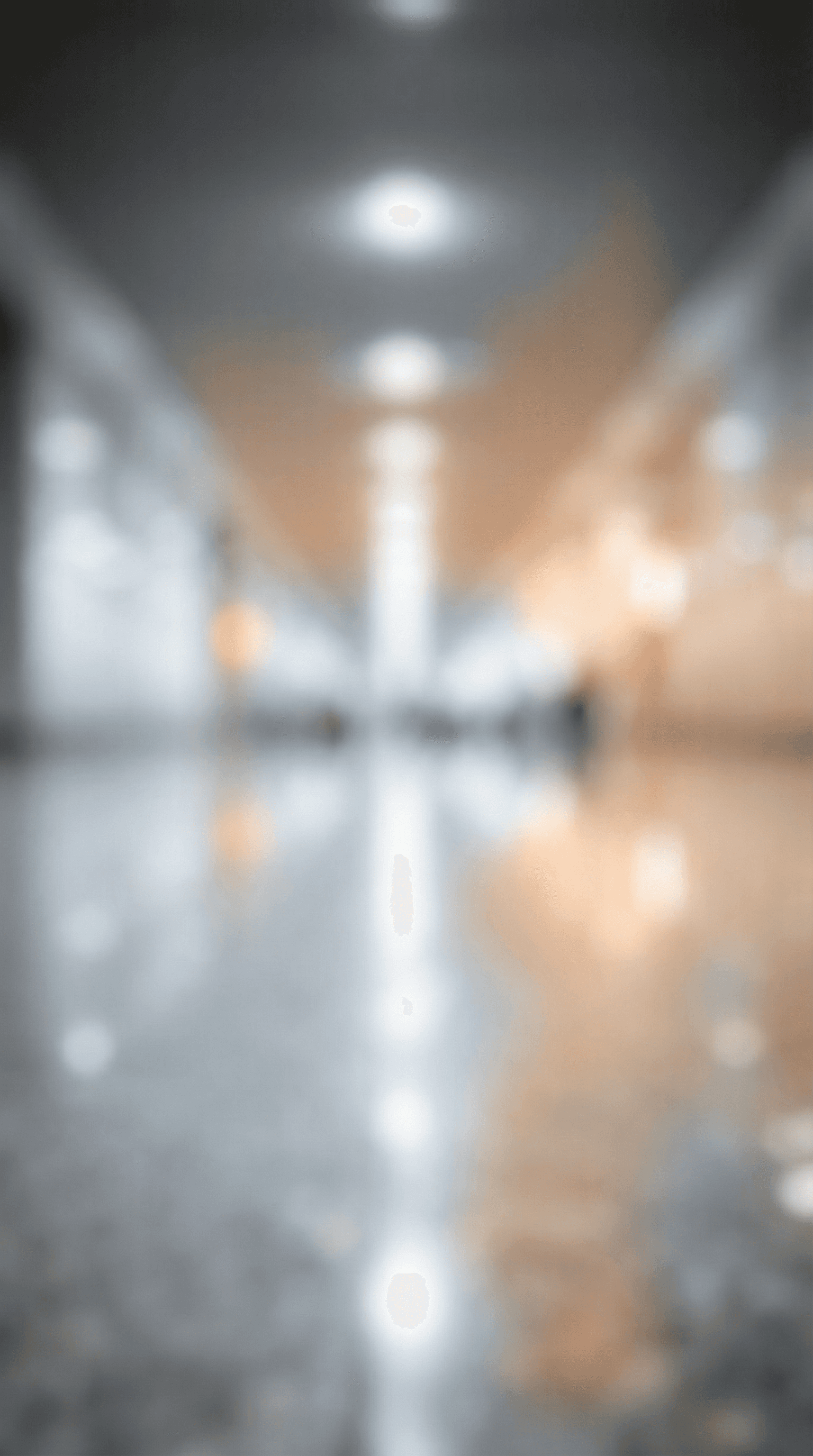
The project opens next week at a gallery in Los Angeles, though Enwes is careful not to frame it as spectacle. He's more interested in recognition than revelation. The kind of perceptual storytelling you might find in The New York Times Magazine or Aperture—grounded, human, attentive to the gap between how we think we see and how we actually move through space. This is work that belongs in conversation with the cultural and phenomenological investigations of Foam, Dazed, The Atlantic: places where vision is understood not as a technical problem but as a lived experience.
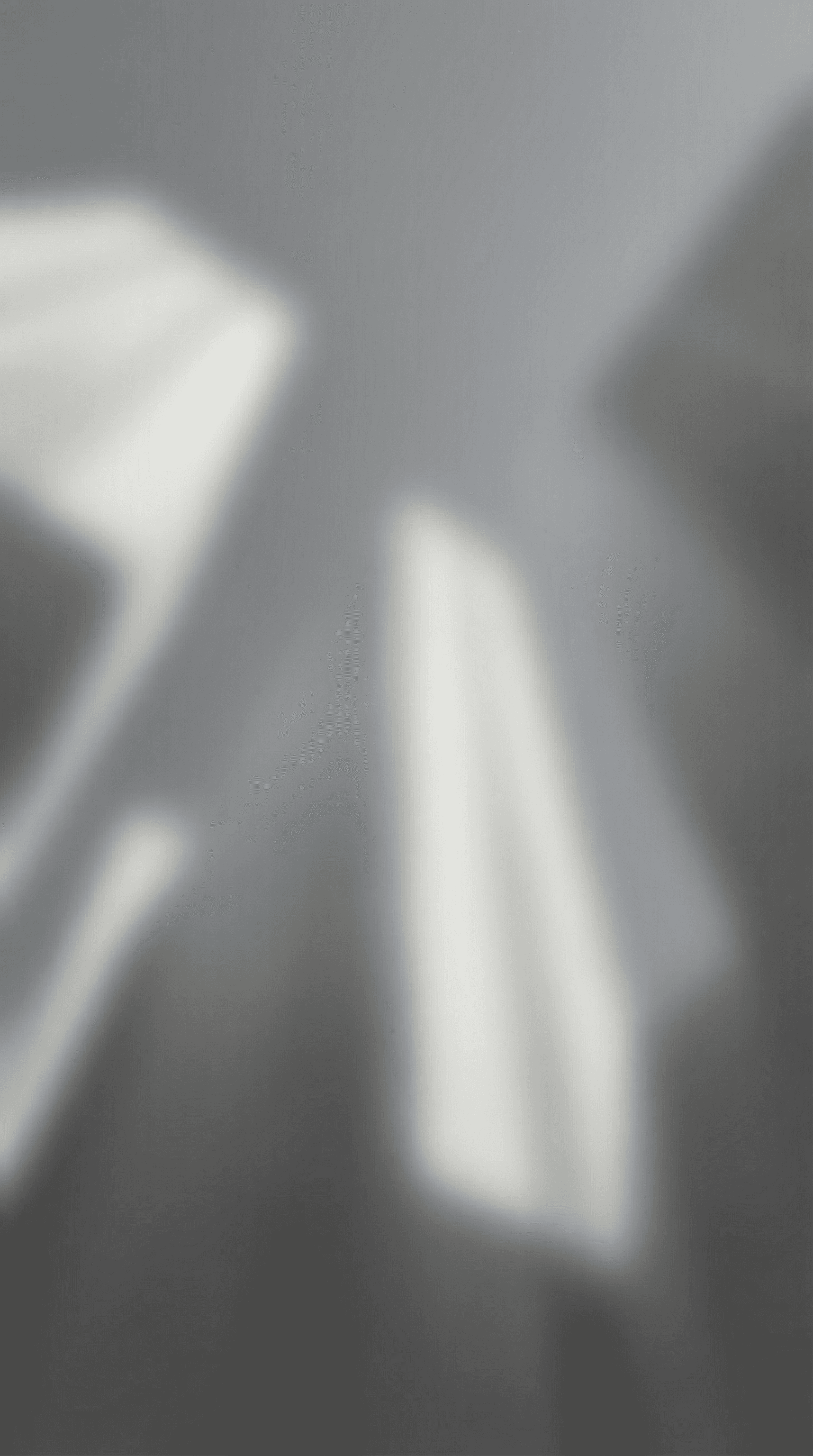
In CLARITY, blur is not a defect. It's a language. One that millions speak fluently, every day, before reaching for their lenses.
Geoff Enwes has never seen a tree with crisp edges. Not without help, anyway. The Los Angeles photographer, who has lived with severe near-sightedness since early childhood, can tell you what a palm frond looks like up close—the fibrous texture, the waxy green—but ask him to describe one twenty feet away and the language shifts. It becomes glow. It becomes suggestion. The world, for Enwes, has always arrived as light first, shape second, detail last.
His project CLARITY documents exactly that: the world as it appears to him before correction. No glasses, no contacts, no post-production blur filters—just the optical reality of a body that refuses sharpness. What results is a series of photographs that feel both radically honest and quietly subversive. Subway platforms dissolve into fields of amber and shadow. Highway overpasses hover in soft geometry. City streets at dusk become studies in luminous uncertainty, headlights blooming like small suns, figures moving through space without ever fully resolving into faces.
It's tempting to read these images as dreamy or romantic, but that would miss the point. Enwes isn't aestheticizing blur. He's translating a perceptual fact. For him, and for the millions of people who share his condition, this is the baseline. Sharpness is the intervention, not the other way around. "I spent most of my life assuming everyone saw what I saw," he says. "It wasn't until high school that I realized other people could read street signs from across the parking lot."
The work pushes against an assumption so embedded in modern life that we rarely notice it: that clarity is the default, that focus is the goal, that a world worth documenting must be rendered in high definition. Photography has long participated in this logic, rewarding precision, crispness, the hyperreal. Even when blur appears—motion blur, shallow depth of field—it's usually deployed as technique, a choice made in service of something sharper lurking elsewhere in the frame.
CLARITY offers no such anchor. Every image holds its softness all the way through. Distance doesn't snap into focus. Light doesn't sharpen. The effect is disorienting at first, then strangely clarifying. You realize how much visual energy you've been spending on the assumption of resolution—how much you've been waiting for the image to "arrive." When it doesn't, something else emerges: mood, atmosphere, the emotional texture of a place. A freeway becomes less about destination and more about motion. An interior becomes less about objects and more about presence.
The project opens next week at a gallery in Los Angeles, though Enwes is careful not to frame it as spectacle. He's more interested in recognition than revelation. The kind of perceptual storytelling you might find in The New York Times Magazine or Aperture—grounded, human, attentive to the gap between how we think we see and how we actually move through space. This is work that belongs in conversation with the cultural and phenomenological investigations of Foam, Dazed, The Atlantic: places where vision is understood not as a technical problem but as a lived experience.
In CLARITY, blur is not a defect. It's a language. One that millions speak fluently, every day, before reaching for their lenses.
Share
Copy link
Share
Copy link